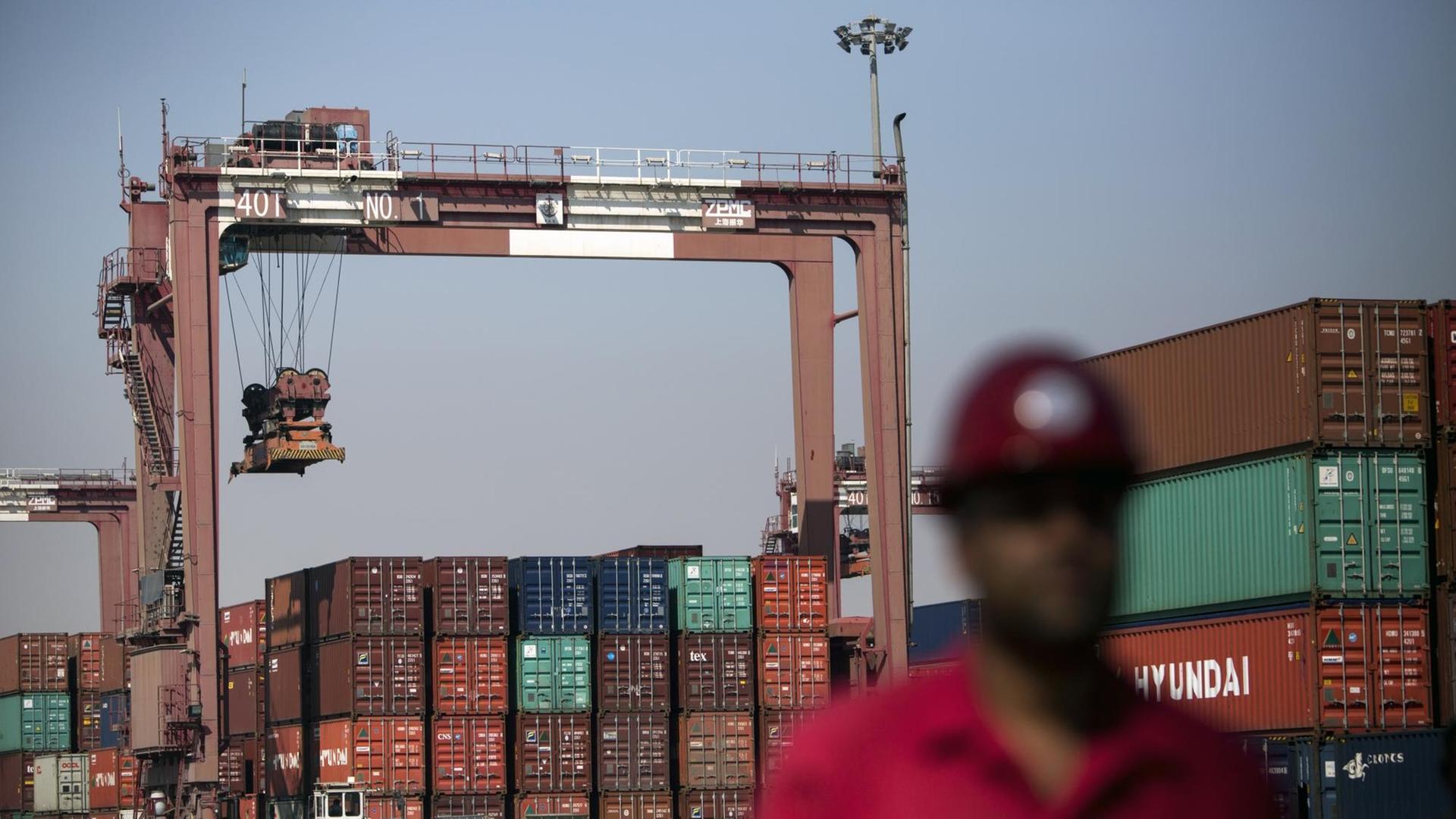
Germany's Trade with Iran: Machinery, Food Dominate, Not Oil
When discussing economic ties between nations, particularly those with complex geopolitical relationships, questions often arise about the nature and volume of their trade. For Germany and Iran, a common inquiry revolves around energy resources, specifically, "Wie Viel Öl Bezieht Deutschland Aus Dem Iran?" (How much oil does Germany get from Iran?). The straightforward answer, supported by recent trade data, is that oil is *not* a primary component of Germany's current imports from Iran. Instead, the bilateral trade landscape is characterized by a significant focus on industrial machinery, chemical products, and agricultural goods, even as overall volumes have drastically declined.
Germany, as a leading industrial nation, relies heavily on stable energy supplies. However, its strategy for oil imports has long diversified away from reliance on specific, potentially volatile, sources. Furthermore, the stringent international sanctions against Iran have fundamentally reshaped its export capabilities, particularly regarding crude oil. While Iran possesses vast oil reserves, the restrictive measures imposed by various international bodies and nations have severely limited its ability to export oil to major global markets, including Germany. This article delves into the specific patterns of German-Iranian trade, highlighting the dramatic shifts and the sectors that continue to define this complex economic relationship.
The Shifting Landscape of German-Iranian Trade: A Drastic Decline
The economic relationship between Germany and Iran has undergone a profound transformation in recent years, marked by a steep decline in bilateral trade volumes. This downturn is primarily a consequence of escalating geopolitical tensions and the re-imposition of international sanctions against Tehran.
Looking back to 2017, Germany's imports from Iran were valued at approximately three billion Euros. However, this figure saw a precipitous drop, nearly halving to about 1.5 billion Euros just two years later. The decline continued, with import values standing at roughly 1.3 billion Euros in the most recent recorded year. Exports from Germany to Iran followed a similar trajectory, falling from around 400 million Euros in 2017 to approximately 200 million Euros in subsequent years. This dramatic contraction underscores the pervasive impact of external political pressures on commercial engagements.
The catalyst for this significant change was the withdrawal of the United States from the Joint Comprehensive Plan of Action (JCPoA) in 2018. This decision led to the re-imposition of severe U.S. sanctions, which in turn prompted Iran to announce its non-adherence to the nuclear enrichment limits and other provisions stipulated in the agreement. The ripple effect was immediate and far-reaching, leading to tightened sanctions from other international actors and a palpable chilling effect on foreign trade with Iran, including that of Germany. Businesses, wary of secondary sanctions and reputational risks, began to scale back their operations, leading to the substantial reduction in trade figures observed.
For a deeper dive into the overall decline, read our article:
Germany-Iran Trade Plummets: Sanctions Halve Volumes Since 2017.
Key Pillars of Bilateral Exchange: Machinery, Food, and More
Despite the overarching decline in trade volumes and the challenging sanctions environment, specific sectors continue to form the backbone of the German-Iranian economic relationship. These resilient areas underscore the underlying demand and historical connections that persist even under duress.
From Germany's perspective, exports to Iran are predominantly characterized by high-value manufactured goods. **Machinery and mechanical components** stand out as the leading category. For instance, recent data indicates that Germany supplied nearly 400 million Euros worth of machinery and mechanical parts to Iran in a recent period (e.g., 2024 data). This highlights Iran's continued need for German industrial expertise and equipment, crucial for its infrastructure, manufacturing, and various industrial projects. German precision engineering, renowned globally, finds a consistent, albeit reduced, market in Iran.
Beyond machinery, the **chemical industry** also plays a significant role. German chemical products, ranging from specialized industrial chemicals to pharmaceuticals, are valuable commodities for Iran's domestic industries and healthcare sector. The demand for these products often stems from essential services, making them less susceptible to complete cessation, even amidst sanctions.
In return, Germany primarily imports **agricultural products and foodstuffs** from Iran. These include:
*
Nuts and Dried Fruits: Iran is a significant producer of high-quality pistachios, dates, raisins, and other dried fruits, which are popular in the German market.
*
Textiles and Carpets: Renowned Persian carpets and other textile products maintain a niche but steady demand in Germany, reflecting a long-standing cultural and commercial exchange.
*
Other Food Items: A variety of other foodstuffs also contribute to the import basket, catering to specific consumer preferences and ethnic markets within Germany.
This composition of trade clearly illustrates that the focus is on manufactured goods and agricultural products, effectively sidestepping any significant engagement in the oil sector. The continued presence of these specific goods in the trade balance demonstrates that bilateral ties, though diminished, hold firm in key, non-sanctioned, or humanitarian-related sectors. For more on this, see:
German-Iranian Trade Shrinks: Bilateral Ties Hold in Key Sectors.
The Enduring Impact of Geopolitics and Sanctions
The current state of German-Iranian trade is inextricably linked to the complex web of geopolitics and the robust framework of international sanctions. Understanding these dynamics is crucial for any business or individual seeking to engage with or analyze this unique market.
The re-imposition of U.S. sanctions following its 2018 withdrawal from the JCPoA proved to be a turning point. These sanctions, often enforced through secondary sanctions mechanisms, target entities that conduct business with Iran, even if they are not U.S. persons or entities. This means that a German company doing business with Iran risks losing access to the U.S. financial system or market, a powerful deterrent for many international firms. The threat of such penalties has compelled many German businesses, particularly larger corporations with significant global operations, to drastically reduce or entirely cease their activities in Iran.
Furthermore, the European Union maintains its own set of sanctions against Iran, distinct from those of the U.S. While the EU has largely sought to preserve the JCPoA and has implemented mechanisms to facilitate legitimate trade (like INSTEX), these efforts have often been insufficient to counteract the overwhelming pressure of U.S. measures. The intricate and often conflicting nature of these various sanctions regimes creates a highly challenging and risky environment for trade. Businesses must navigate a labyrinth of legal and compliance issues, facing substantial administrative burdens and potential penalties.
*
Compliance Challenges: Companies engaged in trade with Iran must invest heavily in legal counsel and compliance departments to ensure they do not inadvertently violate sanctions. This includes rigorous due diligence on end-users, transaction types, and payment methods.
*
Financial Hurdles: Access to traditional international banking channels for Iran-related transactions has become extremely difficult, if not impossible, for many. This forces businesses to explore alternative, often more costly and less efficient, payment mechanisms.
*
Reputational Risks: Even compliant trade with Iran can carry reputational risks, especially for publicly traded companies or those sensitive to public perception. Activist groups or investors may criticize perceived ties to a regime under international scrutiny.
These factors collectively explain why German-Iranian trade has shrunk so dramatically and why sectors like oil, which are heavily targeted by sanctions, are virtually absent from the current trade ledger.
Navigating Future Prospects and Challenges
The future of Germany's trade with Iran remains highly uncertain, tethered directly to geopolitical developments and the potential for shifts in international policy. Any significant revitalization of trade would likely hinge on a diplomatic breakthrough regarding Iran's nuclear program and a subsequent easing of sanctions.
For German businesses considering engagement with Iran, or those already present, a strategic approach is paramount:
*
Stay Informed on Sanctions: Regularly monitor updates from the U.S. Treasury (OFAC), EU Council, and German federal agencies (e.g., BAFA) regarding sanctions regimes. Compliance is not static; it evolves with political developments.
*
Focus on Permitted Sectors: While the overall outlook is restrictive, certain sectors, particularly those related to humanitarian aid, food, medicine, and specific non-sanctioned industrial goods, may offer limited opportunities. However, even these areas require meticulous due diligence.
*
Risk Assessment is Key: Conduct thorough risk assessments covering legal, financial, operational, and reputational aspects before entering or expanding any Iranian venture. The costs of non-compliance can be catastrophic.
*
Utilize Expert Guidance: Engage with legal and financial experts specializing in sanctions compliance and Middle East trade. Their insights are invaluable for navigating the complex regulatory landscape.
*
Consider Indirect Trade: Some German companies might find indirect ways to supply components or technology to third countries that then, legitimately and in compliance with all relevant laws, trade with Iran. This, however, requires careful legal scrutiny to avoid circumvention issues.
*
Long-term View: For those with a long-term strategic interest, maintaining a minimal presence or monitoring market developments might be beneficial, positioning them for potential future re-engagement if and when political conditions improve.
Ultimately, while the question of "Wie Viel Öl Bezieht Deutschland Aus Dem Iran" yields an answer of minimal to no significant trade, the broader narrative of German-Iranian economic relations is one of resilience in select niches amidst severe constraints. The dominant themes are industrial output from Germany and agricultural imports from Iran, shaped almost entirely by the ongoing geopolitical environment rather than pure market demand.
Conclusion
Germany's trade relationship with Iran is a compelling case study of how geopolitics and international sanctions can profoundly reshape economic ties. The notion that Germany imports significant amounts of oil from Iran is largely unfounded in the current climate. Instead, the focus of bilateral trade has shifted dramatically, with German exports centered on essential machinery, chemical products, and technology, while imports from Iran consist mainly of foodstuffs like nuts and fruits, alongside traditional items such as textiles and carpets. The drastic decline in trade volumes since 2017 underscores the effectiveness of international sanctions, particularly following the U.S. withdrawal from the JCPoA. For businesses and policymakers, understanding these specific dynamics—the dramatic reduction, the sectorial focus away from oil, and the ever-present challenges of sanctions compliance—is critical for any engagement with, or analysis of, this complex and often volatile market. While a significant revival of trade hinges on future political resolutions, the existing patterns reveal a resilient, albeit constrained, exchange of goods tailored to specific needs and permissible categories.